


Gas Transport
Hangzhou Impact New Materials: A Professional Pressure Vessels Supplier
With the mission of accelerating the industrialization of fuel cells, our company is committed to promoting the development of hydrogen energy and fuel cell industries.
Professional Team
Our company brings together the backbone of the fuel cell field at home and abroad. The core R&D team comes from professional backgrounds such as "fuel cell + mass production vehicle" and has senior experience in the development and application of fuel cell stacks, fuel cell systems, and complete vehicles.
Variety of Products
Our new park has four major functions: R&D office, testing and verification, production and manufacturing, and hydrogen supply. The production line covers a full range of products such as membrane electrodes, fuel cell stacks, fuel cell systems, and hydrogen storage systems.
Multi-Field Practice
Our company has completed the product development of various fuel cell stacks and fuel cell systems with power ranging from 6kW to 260kW. These products are widely used in passenger cars, city buses, highway buses, light, medium and heavy trucks, forklifts, trailers and many other fields, and can be extended to distributed power generation, combined heat and power, ships, aviation and other fields.
Multiple International Certifications
Our company has obtained ISO 13485 quality system certification and CE certification of TUV Rheinland. We have also passed FDA registration and BSCI audit. In addition, our products have been sold to more than 60 countries and regions, and they have been inspected by many customers.

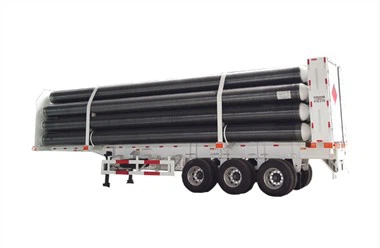
Gas transport tanks are a safe solution for storing and transporting various gases. Some are highly portable or transportable, meaning they are designed to transport and distribute gas to a designated destination when needed. These tanks typically feature sturdy materials and construction to ensure safe containment of high-pressure gases and to prevent leaks or accidents. Gas transport tanks can hold different types of gases, such as oxygen, nitrogen, hydrogen, argon, etc.

Features of Gas Transport Tanks
High Strength
These gas transport tanks are strong enough to withstand huge pressures. They typically feature laminate and its winding pattern as a kind of casing surrounding the airtight interior portion of the cylinder. This laminate is a combination of resin and fiber materials that have been processed to withstand the forces and dynamics experienced by the cylinder throughout its service life.
Air Tightness
To ensure the safe sealing of gaseous energy carriers, gas transport tanks are completely sealed. Typically, the liner is made of blow-molded material and is integrated into the design of the cylinder to provide the product with the necessary air-tightness. However, achieving a complete seal can also be a challenge with hydrogen, a specialty gas.
Stable Structure
Gas transport tanks are designed to avoid elongation or "buckling", the term for the increase in internal volume when the cylinder is pressurized from atmospheric pressure to, say, 700 bar. The manufacturer's solution is to use a minimum amount of fibrous material to maintain strength and structural stability. Of the few components that make up the cylinder, the fibers are the most valuable.
Good Cycle Life
During the life of a gas transport tank, it will be pressurized multiple times, mechanically stressing the material, and is also subject to the dynamic effects of temperature increases and decreases. Fast filling is critical for vehicle applications such as cars, trucks and buses, which require filling cylinders at high flow rates and pressures. Therefore, gas transport tanks have good cycle life to handle these high-intensity applications.
Module title
Wide Range of Applications
Gas transport tanks are widely used in various industries. In the medical field, these tanks are used to store and transport gases such as oxygen and nitrous oxide during medical procedures. In the food and beverage industry, they can be used to transport and preserve gases required for production. They are also commonly used in the welding, manufacturing and automotive industries, among others.
High Security
Gas transport tanks are designed taking into account the properties of the gas to ensure stable pressure and temperature during transport. These tanks usually have valves, safety devices and monitoring equipment to ensure that the impact of external factors and possible safety risks caused by gas leakage can be reduced during transportation.
Easy to Use
These gas transport tanks are easily integrated into existing transport vehicles, increasing efficiency and flexibility on ever-changing job sites. When job site needs change throughout a project or even within a day, these easy-to-use canisters are ready to be moved to the most productive time and place.
Save Costs
This gas shipping solution not only saves time but also reduces shipping costs, resulting in greater cost savings overall. Some body transport tanks can even be hauled in the back of a truck or mounted on a trailer for quick and easy transport on the job site or on the highway. Even in places with limited conditions, they can provide needed gas at any time.
Long Life
Gas shipping tanks mean investing in a durable and long-lasting storage solution. These tanks are designed to withstand harsh conditions and last significantly longer than other storage options. With proper care and maintenance, these gas tanks can last for many years.
Applications of Gas Transport Tanks
Gas transport tanks play an integral role in supporting innovation in the aerospace industry. Applications include emergency oxygen, storing hydrogen fuel for unmanned aerial vehicles (UAVs), and providing gas for propulsion of satellite ion engines.
From hydrogen-powered vehicles to next-generation hydrogen fuel cell drones, gas transport tanks are an indispensable gas transportation and storage solution. It ensures timely supply of gas and uninterrupted generation of electricity.
From medical cylinders used for oxygen therapy, anesthesia and surgery to specialty cylinders used for calibration of medical equipment, gas transport tanks are the basis of daily activities in hospitals.
Gas transport tanks are an important part of a welding kit. Acetylene gas, for example, is commonly used in gas welding because of its ability to reach high temperatures (such as approximately 5,000 degrees Fahrenheit) when burned. Acetylene is very unstable and flammable and can explode when reacting with oxygen in the air under high pressure. This means they should be stored and handled carefully in high-quality tanks.
Testing Methods of Gas Transport Tanks
Regardless of the application, gas transport tanks require extensive testing.

Hydraulic Testing
Load Cycle Test
Gas Test
Fire Test
High Speed Impact Test
Quality Control by Third Party
General Guidelines Regarding the Use and Handling of Gas Transport Tanks
No matter what gas you are transporting in a gas shipping tank there are some basic safety instructions and usage guidelines you should follow. The following is for your reference:
1. Precautions
• Limit movement of all gas transport tanks during transport (consider forces generated in traffic accidents).
• Limit the number of cylinders to be transported.
• Priority is given to open vehicles or trailers over any enclosed vehicles or trailers. Do not cover gas transport tanks with tarps.
• Make sure the contents label on the gas transport tank is clearly visible.
• Never drop the tank or subject it to shock. This is an extremely dangerous practice and can result in serious injury.
• If possible, use mechanical lifting equipment and hand trucks to move cylinders.
• Wear safety shoes or boots, safety glasses or goggles, and leather protective gloves when handling gas cylinders.
• Smoking is strictly prohibited when loading and unloading gas cylinders.
2. For Non-Flammable, Non-Toxic Gas Loads
• Open vehicles with sides are preferred.
• A van can be used if the cab is separated from the cargo area. This means that the cab and load area are ventilated separately.
3. For Flammable or Toxic Gases
• The vehicle must be equipped with a flat floor with side panels, a tail panel and a cab that is ventilated separately from the load area. Flammable gases may be contained in an enclosed compartment separate from the driver, provided there is adequate ventilation to prevent the formation of a hazardous atmosphere.
• Toxic tanks should always be stored in a well-ventilated compartment, separate from the driver.
• When transporting toxic gas contacts, ensure that the valve outlet cap and protective cover are securely installed.
• Do not remove any valve protection devices (if installed) during transportation.
• Flatbed vehicles without side panels shall not be used unless cylinders are transported on approved pallets.
• Vehicles transporting drums exceeding 300kg do not need to have sides, provided the drums are covered with blocks, ropes and sheets.
• Never transport flammable gas cylinders flat.
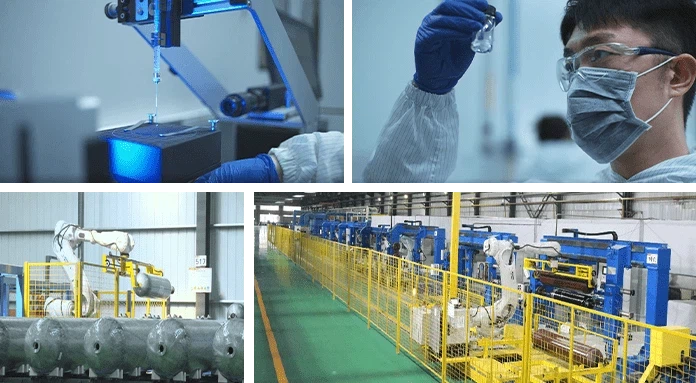
Our Factory
The following are our factory:


Frequently Asked Questions